
10.29.26
What a History Degree Taught Me About Creative Work
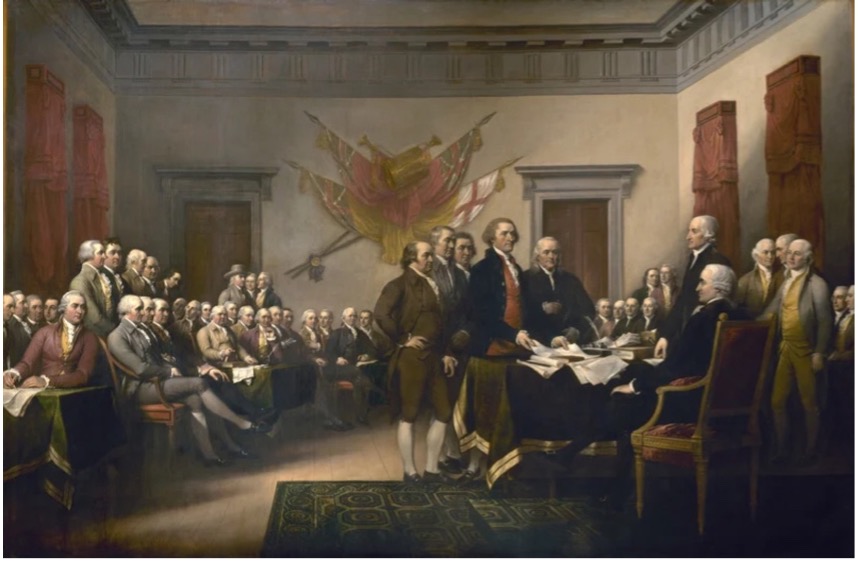
When I tell people I majored in history, the response is usually the same: “So… were you planning to be a teacher?” Fair question. The truth is, I didn’t choose history because I loved memorizing dates or spending my life at the library. I chose it because I liked stories. Stories about people, decisions, and moments that continued to matter long after they happened. As a history student, you’re surrounded by information. Documents. Quotes. Timelines. Research. Mountains of facts. But history isn’t only about facts. It’s about figuring out what the facts mean. Put three historians in a room and you’ll get four interpretations of the same event. Not because the facts changed, but because perspective matters.
At MK3, we’re surrounded by information, too. Product features. Brand guidelines. Business goals. Stakeholder feedback. Everyone has a perspective, and none of them are wrong. The challenge isn’t deciding whose story wins. It’s finding the story that connects them all. The more time I spend in the creative services industry, the more I realize how much it resembles what I studied all those years ago. Both require understanding context, asking the right questions, and looking beyond the facts to uncover the bigger story.
That’s also what great creative teams do. Whether it’s a live event experience, or a video campaign, the goal isn’t to tell people everything. It’s to help people understand the ideas behind the information and why they matter.
College didn’t teach me how to direct a video or design a stage. It taught me how to find the story. Everything else came later.
Historical footnotes by Mark DiTondo