
05.21.26
When is a Video Edit Finished?
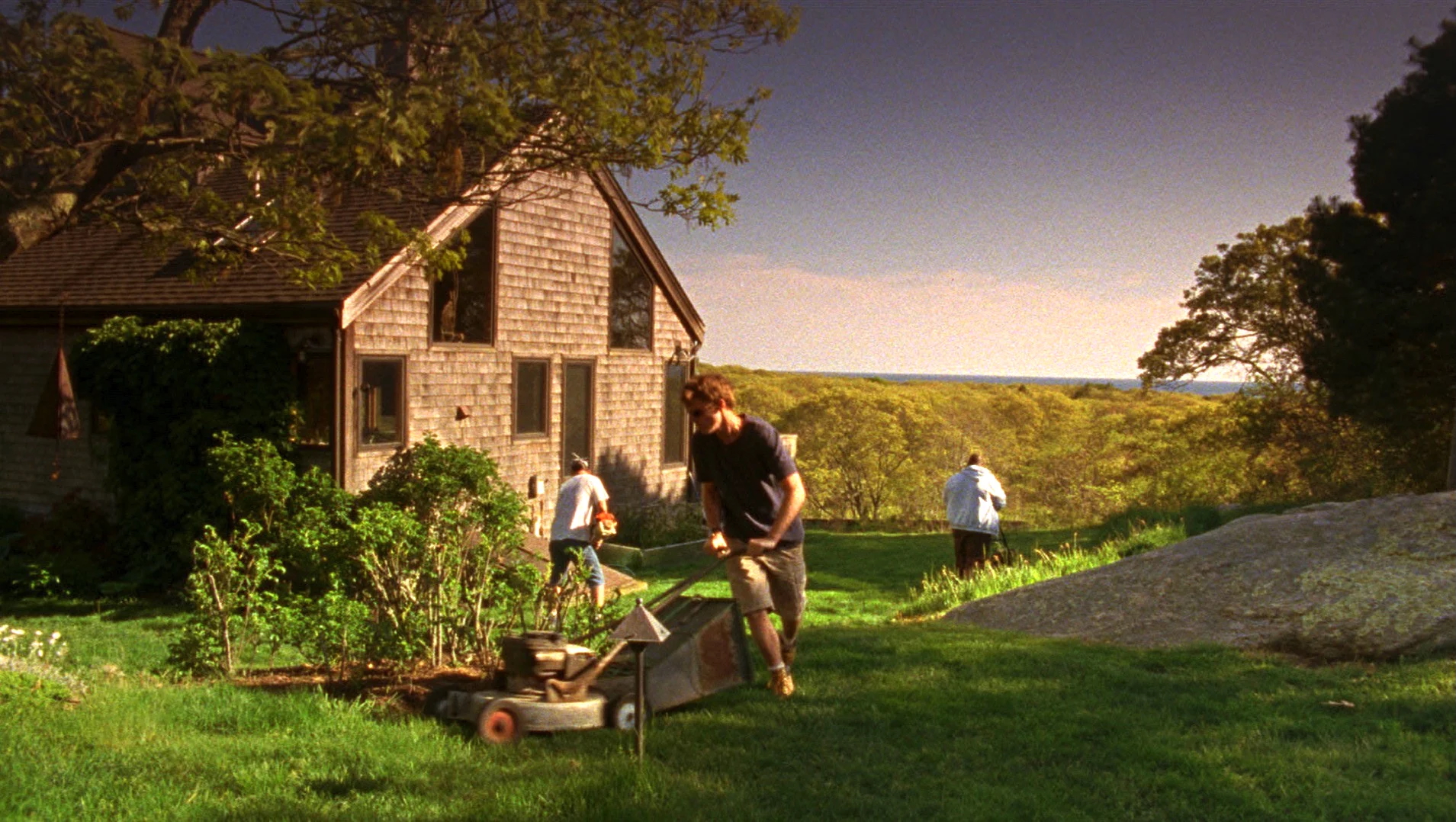
My summer job during high school was mowing lawns. Three overcaffeinated teenagers would pull up in a truck towing a trailer full of mowers, delegate roles, and attack the property. When the grass was short, we were done, and it was time to move on to the next customer. It was straightforward and satisfying.
Now, as a commercial video editor, when a project reaches the point where it feels done, but a tiny voice keeps saying, “one more tweak,” I long for a those cut-and-dried landscaping days.
So, when is it time to stop? When is your video done?
When the client is happy. When you hit your deadline. When the budget runs out.
Sure. But the truth is, a video project is done when further changes stop making the piece better and start making it different.
It’s not as obvious as cut grass, but here’s what I look for…
A finished edit shouldn’t call attention to itself. The pacing should feel natural, the cuts motivated, and the viewer shouldn’t be thinking about transitions or color, they should just be watching the story. When you can experience your own edit as an audience member rather than a technician, that’s a strong sign you’re close.
Every major decision in your edit – from the music choice to pacing and shot selection, should have intention behind it. So if someone asks, “Why did you cut here?” or “Why this song?” you should be able to answer without hesitation. If you don’t have an answer, it’s probably worth revisiting the edit in question; there may be a missed opportunity there.
Feedback is vital to the post-production process, and there’s usually a turning point where notes become smaller and more subjective. Early notes often reshape the structure and content, while later notes tweak the polish. If revisions are no longer altering the story, emotion, or clarity but instead adjusting preferences, you’re in the final stretch.
Inevitably, you’ll hit that dangerous phase near the end of every project where you start fixing things that aren’t broken. You swap out a perfectly good shot, adjust color that was balanced, or rework timing that already landed. And if you really want to drive yourself crazy, you’ll try out a few new music tracks.
Why? Because it’s hard to let go. For you and your stakeholders. Once it’s out in the world, it’s no longer yours; it belongs to the audience. That’s scary. But it’s also why we do this.
Editing is a service to a goal: tell a story, sell a product, capture a moment. When your edit achieves that goal clearly and effectively, you’re finished.
That lingering little voice, “one more tweak” never fully disappears, so don’t wait for it to; instead, train yourself to recognize when it’s no longer useful. Because at some point, you’ll need to stop editing the project and start protecting it from yourself and your team.
That’s when it’s time to hit export, grab an iced coffee, and move on to the next lawn.
Trimming and tweaking with Taylor Toole
Photo credit of Taylor Toole
My summer job during high school was mowing lawns. Three overcaffeinated teenagers would pull up in a truck towing a trailer full of mowers, delegate roles, and attack the property. When the grass was short, we were done, and it was time to move on to the next customer. It was straightforward and satisfying.
Now, as a commercial video editor, when a project reaches the point where it feels done, but a tiny voice keeps saying, “one more tweak,” I long for a those cut-and-dried landscaping days.
So, when is it time to stop? When is your video done?
When the client is happy. When you hit your deadline. When the budget runs out.
Sure. But the truth is, a video project is done when further changes stop making the piece better and start making it different.
It’s not as obvious as cut grass, but here’s what I look for…
A finished edit shouldn’t call attention to itself. The pacing should feel natural, the cuts motivated, and the viewer shouldn’t be thinking about transitions or color, they should just be watching the story. When you can experience your own edit as an audience member rather than a technician, that’s a strong sign you’re close.
Every major decision in your edit – from the music choice to pacing and shot selection, should have intention behind it. So if someone asks, “Why did you cut here?” or “Why this song?” you should be able to answer without hesitation. If you don’t have an answer, it’s probably worth revisiting the edit in question; there may be a missed opportunity there.
Feedback is vital to the post-production process, and there’s usually a turning point where notes become smaller and more subjective. Early notes often reshape the structure and content, while later notes tweak the polish. If revisions are no longer altering the story, emotion, or clarity but instead adjusting preferences, you’re in the final stretch.
Inevitably, you’ll hit that dangerous phase near the end of every project where you start fixing things that aren’t broken. You swap out a perfectly good shot, adjust color that was balanced, or rework timing that already landed. And if you really want to drive yourself crazy, you’ll try out a few new music tracks.
Why? Because it’s hard to let go. For you and your stakeholders. Once it’s out in the world, it’s no longer yours; it belongs to the audience. That’s scary. But it’s also why we do this.
Editing is a service to a goal: tell a story, sell a product, capture a moment. When your edit achieves that goal clearly and effectively, you’re finished.
That lingering little voice, “one more tweak” never fully disappears, so don’t wait for it to; instead, train yourself to recognize when it’s no longer useful. Because at some point, you’ll need to stop editing the project and start protecting it from yourself and your team.
That’s when it’s time to hit export, grab an iced coffee, and move on to the next lawn.
Trimming and tweaking with Taylor Toole
Photo credit of Taylor Toole